Summary Highlights:
- Warning signs like recurring leaks, visible surface damage, rising energy costs, standing water, and advanced roof age can all indicate a commercial roof may need replacement.
- Persistent leaks and water intrusion can lead to interior damage, mold growth, weakened structural components, and damage to equipment or inventory.
- Surface issues such as cracks, blisters, loose seams, rust, or punctures often signal that the roofing system is deteriorating and may no longer provide reliable protection.
- A professional inspection can help determine whether repairs are still possible or if a full roof replacement is the safest and most cost-effective long-term solution.
While commercial roofs are durable, years of exposure to the sun, moisture, wind, and temperature swings can cause roofing materials to degrade, leaving your property at risk of serious damage. Long before a major leak or visible damage appears, your roof will show subtle warning signs that its performance is starting to decline.
Being aware of these warning signs early can help you avoid emergency repairs, unexpected downtime, and costly damage to your property’s interior. In some cases, repairs or coatings may be a viable option, but they aren’t meant to be lasting solutions. Depending on the issue, a complete roof replacement may be a better long-term investment.
How can you tell when your commercial roof needs replacement? In this guide, we cover five surefire signs that it’s time to start thinking about installing a new roofing system.
Persistent Leaks & Water Intrusion
An occasional leak during a severe downpour might not be a cause for immediate concern. However, if you’re dealing with recurring leaks, chances are your roofing system is starting to deteriorate. Water infiltration can occur when seams separate, flashing fails, or the membrane becomes compromised.
Over time, even minor leaks can cause a host of serious problems, such as:
- Interior water damage
- Mold and mildew growth
- Weakened structural components
- Damage to equipment and inventory
If leaks have become the norm, a full roof replacement may be more cost-effective than continuing to patch the problem.
Visible Wear & Surface Damage
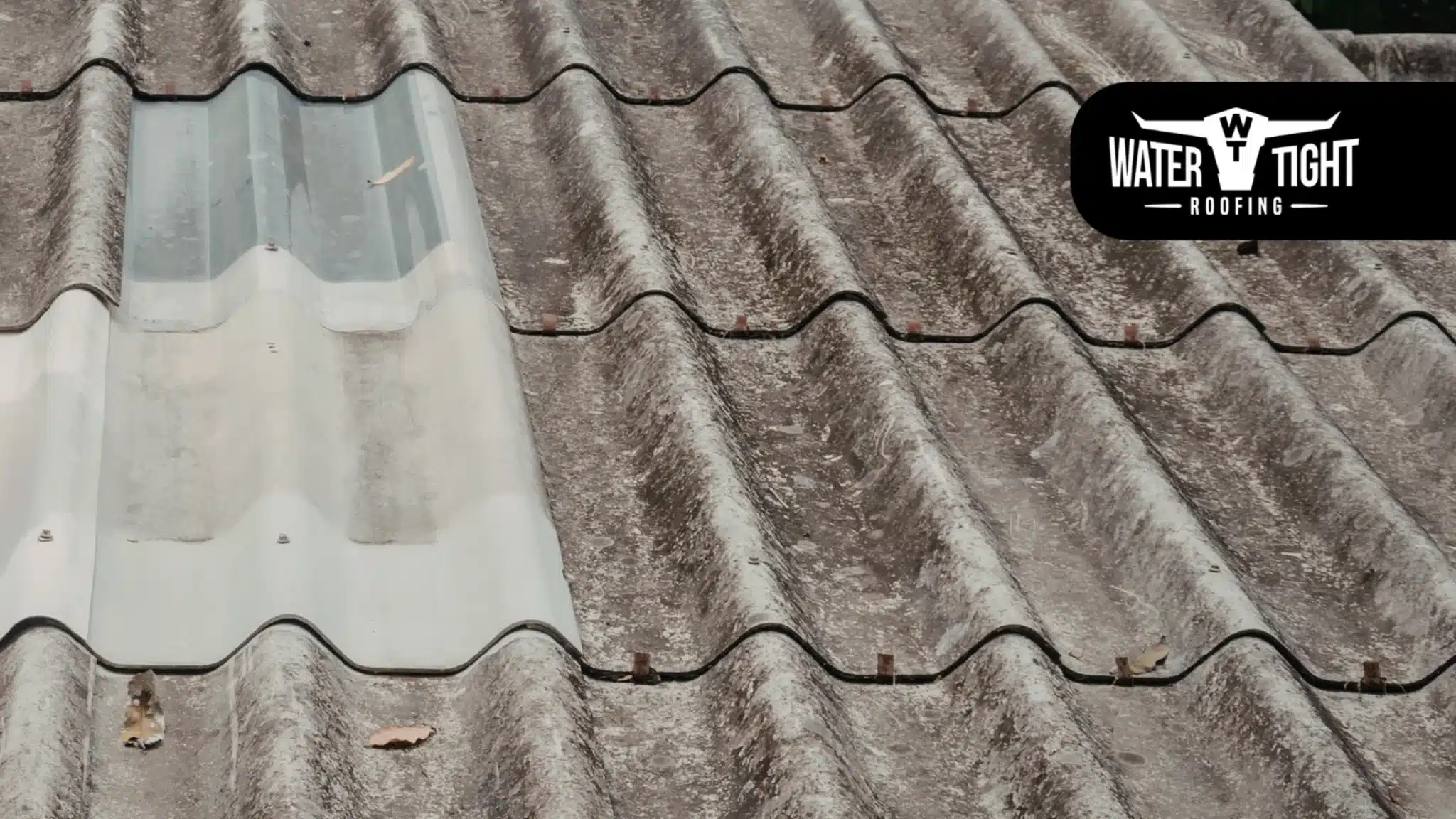
Many roofing issues can be identified by simply looking at the surface of the structure. As a commercial roofing system ages, physical signs of wear start to appear and may indicate that the system is reaching the end of its lifespan. Damage to the surface layer often indicates deeper structural concerns.
Common warning signs include:
- Cracks or splits in the roofing membrane
- Blistering or bubbling
- Loose or deteriorating seams
- Rust or corrosion on metal panels or fasteners
- Small puncture marks from debris or foot traffic
These issues can compromise the roof’s ability to protect your commercial building from severe problems, such as moisture damage and exposure to the elements. When the damage has become widespread, replacing the system is usually the safest and most reliable solution.
Rising Energy Costs
Like many business owners, you might be surprised to learn how much your roof’s performance affects your building’s energy efficiency. When a commercial roof is functioning properly, it reflects heat, maintains insulation, and helps to regulate interior temperatures.
When the roofing system starts to fail, insulation can become saturated or compressed, allowing heat to transfer more easily into the building. As a result, your heating and cooling system needs to work harder to maintain indoor comfort. This often leads to:
- Higher utility bills during warmer months
- Increased strain on HVAC systems
- Inconsistent interior temperatures
If your energy bills keep increasing without a clear explanation, your roof could be to blame.
Pooling Water That Won’t Drain
Many commercial buildings have flat or low-slope roofs, a design that allows water to drain more efficiently. When drainage becomes a problem or the roof structure starts to sag, water begins to collect in certain parts of the roof.
Standing water (often referred to as “ponding”) can accelerate the deterioration by:
- Adding excess weight to the structure
- Increasing exposure to moisture and UV damage
- Gradually weakening seams and membrane materials
If water consistently pools and remains on your commercial roof for 48 hours or more after it rains, you may be dealing with structural issues that require more than a simple repair.
The Roof Has Passed Its Prime
Like everything, time eventually catches up with commercial roofing systems. Years of exposure to harsh weather conditions, UV rays, and temperature shifts, your roof’s ability to protect the building and maintain efficiency starts to decline.
Service life varies and depends on the type of roofing system. If your roof is nearing the end of its service life, planning for a full replacement can help you avoid serious problems, such as costly emergency repairs, damage to your building’s structure, and operational disruptions.
Don’t Wait Until the Damage Spreads — Contact WaterTight Roofing Today!
Commercial roofing systems rarely fail without warning. Persistent leaks, visible damage, rising utility expenses, standing water, and aging materials are all telltale signs that your roof may be reaching the end of its lifespan. Addressing these types of issues early can help you avoid costly damage, protect your property, and minimize business disruptions. If you’ve noticed any of these warning signs or you’d like to schedule a routine inspection, contact WaterTight Roofing today. Our team will provide you with expert guidance about the best solution for your commercial building.
Blog subscribers get new resources and how-to guides delivered via email.
Your Business Relies On Staying Dry