Summary Highlights:
- Fall storms and cold fronts can bring strong winds, heavy rain, hail, and sudden temperature drops that strain commercial roofing systems.
- Fall storms often expose existing roof damage, such as cracked flashing, worn seams, and loose components, that developed over the summer.
- Flashing, seams, drainage systems, membranes, metal components, and previous repairs are especially vulnerable during fall storms.
- A fall commercial roof inspection, plus a post-storm inspection after severe weather, can catch problems early and prevent costly leaks.
While fall’s temperatures may be cooler, the weather isn’t always calmer. Many locations in the central and southern United States experience strong winds, heavy rain, hail, and drastic temperature shifts — conditions that can put serious strain on commercial roofing systems. If your roof has already experienced months of intense heat, severe UV exposure, storms, and general wear over the summer months, it’s particularly important to pay attention to the stress that fall cold fronts can cause.
Minor problems that may have gone unnoticed during the summer may become impossible to ignore when a fall storm rolls through. A small crack, deteriorating seam, or loose flashing, for example, can quickly lead to water intrusion and cause more extensive damage.
Whether you own a business or manage a commercial property, understanding how fall cold fronts can stress your commercial roof is vital. Let’s take a closer look at what you need to know about the potential impact of the season’s changing weather patterns and how you can make sure your commercial roof is prepared for storms ahead.
How Fall Weather Can Affect Your Commercial Roof
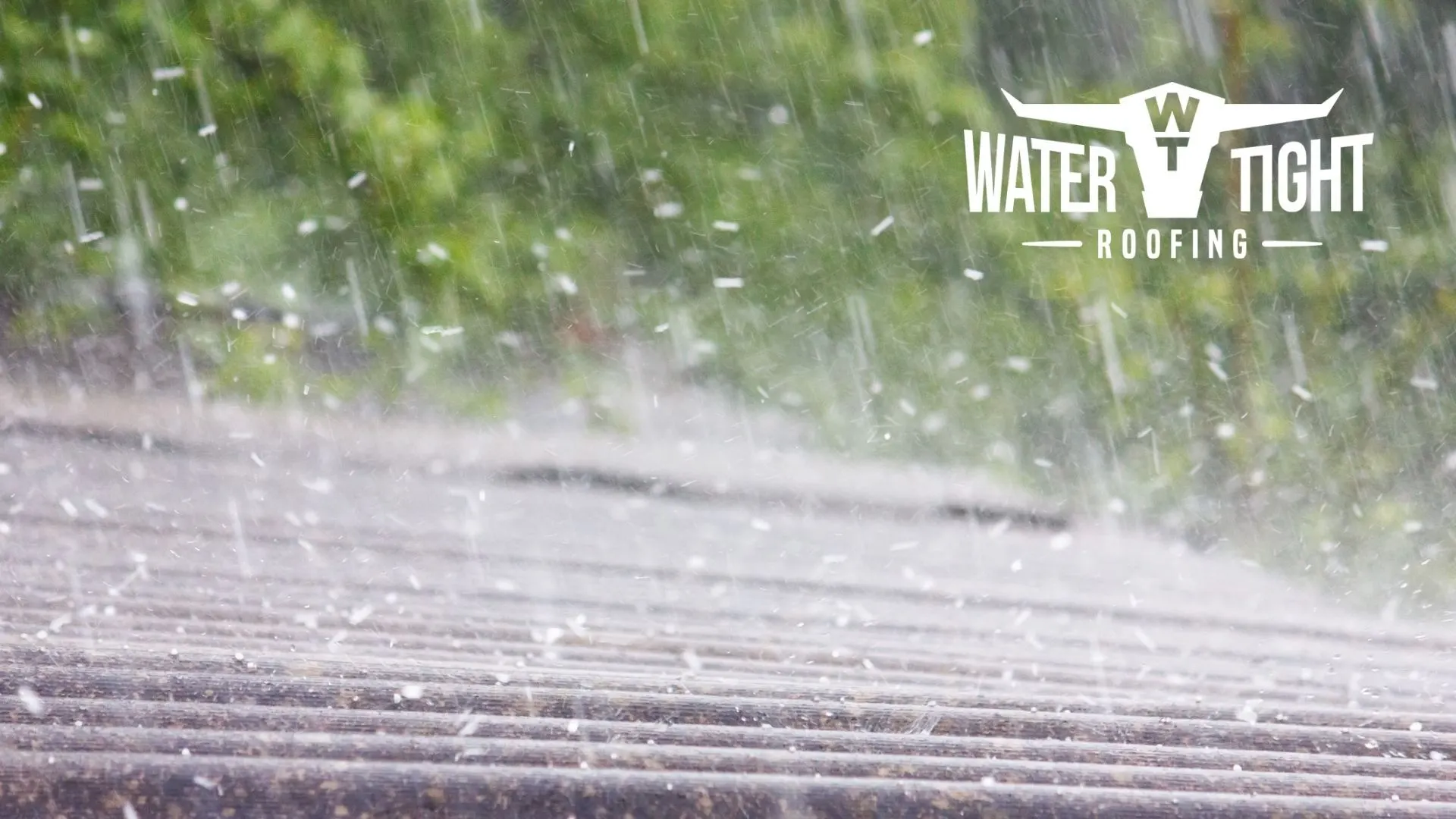
When a fall cold front moves through, the temperature isn’t the only thing that changes. Several weather conditions can accompany a cold front, such as strong winds, heavy rain, and hail. These changes can be especially hard on a commercial roofing system that has already taken a beating over the summer and may expose problems that have been developing for months.
As temperatures fluctuate, roofing materials expand and contract, placing additional stress on seams, flashing, fasteners, and other key components. If these areas are already compromised, fall’s changing weather conditions can exacerbate the problem. Examples of the challenging conditions commercial roofs can experience during a fall cold front include:
- Heavy rain: Excessive rain can test the integrity of roofing materials, potentially exposing weaknesses around seams, flashing, and drainage systems.
- High winds: Strong winds can loosen, lift, or damage roofing components that have already weakened.
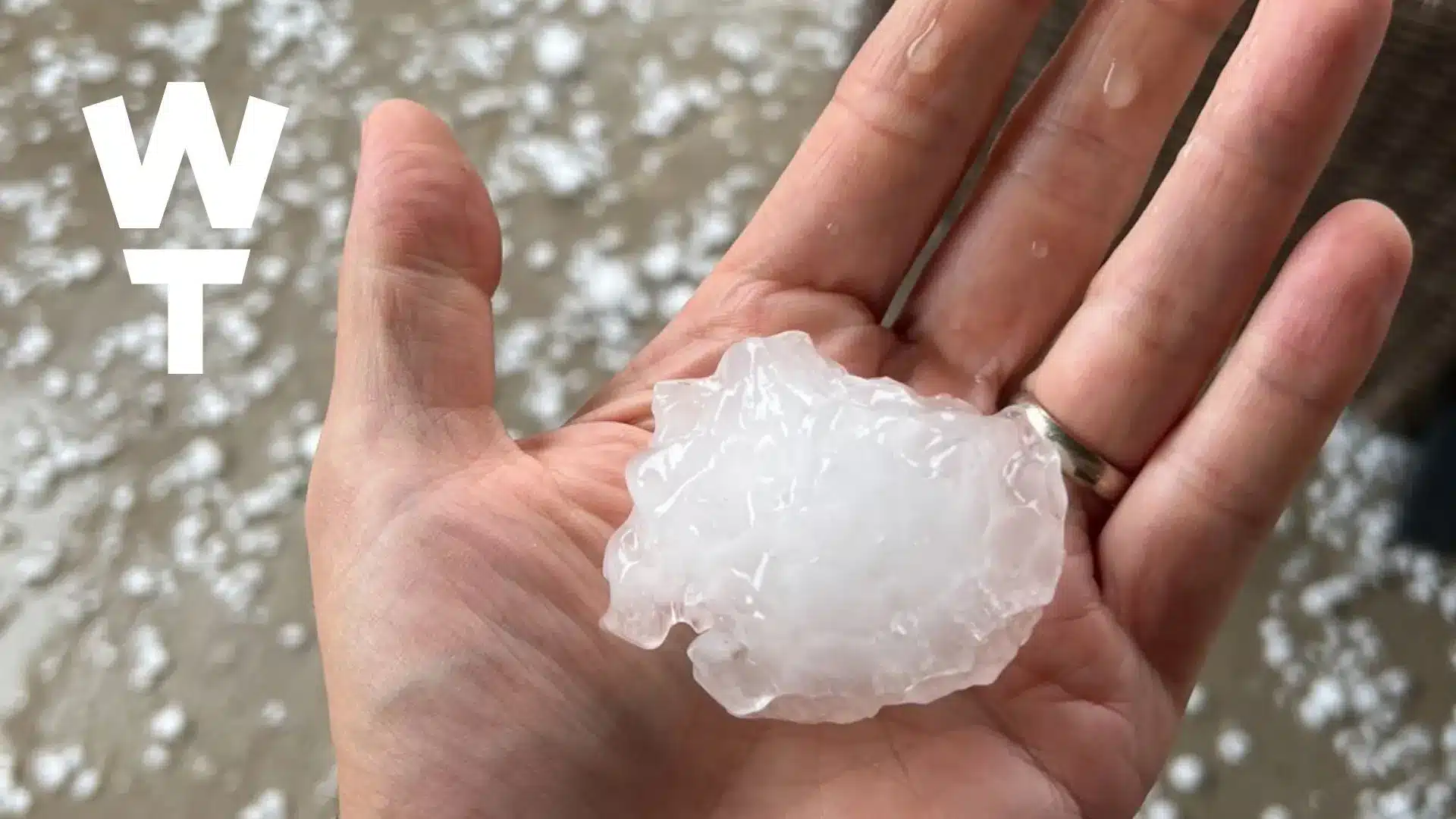
- Hail: Dents, punctures, cracks, and more; even brief hailstorms can cause serious damage that isn’t always immediately visible.
- Debris accumulation: Leaves, branches, acorns, pinecones, and other debris can collect on your roof and obstruct drains or other components of the drainage system.
Though commercial roofs are built to withstand changing weather, they aren’t immune to wear and damage. The condition of your roofing system going into the fall season can make a big difference in how well it will be able to withstand the cold fronts that follow.
Cold Fronts Can Uncover Hidden Roof Damage
When roof damage appears after a storm, it’s natural to assume that the storm was the cause. However, that isn’t always the case. In fact, more often than not, severe weather simply exposes a problem that already existed. For example, under normal conditions, a small crack or damaged flashing may not cause any noticeable issues. But when heavy rains or strong winds blow in, these vulnerabilities are put to the test, potentially allowing water penetration that can enter the building.
For commercial properties, the consequences can extend far beyond the roof itself. Once water gets inside, it can damage:
- Insulation and roofing materials
- Ceilings and interior walls
- Equipment and electrical systems
- Inventory and other business-related assets
- Interior property, such as flooring and furnishings
In addition to the cost of repairing the roof and any related property damage, a significant leak can disrupt normal business operations and cause costly headaches.
This is why storm damage sometimes seems to appear out of nowhere. The underlying problem may have been developing for months, but the storm just brought it to the surface. By having a comprehensive roof inspection performed before the fall season arrives, any preexisting vulnerabilities can be detected and corrected, reducing the risk of minor issues becoming more extensive problems that require expensive repairs.
Roofing Components Most Vulnerable to Damage From Fall Storms
After a fall storm, most commercial property owners and managers focus on the obvious signs of damage, such as visible punctures or water stains on the ceiling. However, not all problems are easy to spot. Severe weather can impact several components of your commercial roofing system, including:
- Flashing and seams: Flashing directs water away from vulnerable areas, and seams connect sections of roofing materials. Cracks, separation, loose material, or deterioration can create pathways for water intrusion.
- Drainage systems: Drains, scuppers, gutters, and downspouts must remain clear and functional to keep water flowing off the roof. Leaves and other debris can restrict drainage, allowing water to collect on the roof.
- Roofing membranes: Membrane systems such as TPO, EPDM, and PVC can develop punctures, splits, and shrinkage. While some damage is obvious, other issues may be difficult to spot without a professional evaluation.
- Metal components: Metal roofing is very durable, but high winds, hail, corrosion, and worn fasteners can compromise key components, even when the overall system appears to be in good condition.
- Previous repairs: Any repairs should also be evaluated. Materials can degrade over time, making areas that were previously repaired vulnerable to storm-related damage.
The Importance of Fall Commercial Roof Inspections
Before the next fall cold front arrives, it’s a good idea to find out what condition your commercial roof is in. After enduring months of heat, UV exposure, and potentially severe weather during the summer, even the most durable roofing system can experience damage.
From damaged flashing to loose components, a professional commercial roof inspection can uncover potential vulnerabilities that could become more serious if left unchecked. Addressing these issues before fall storms blow in can help reduce the risk of leaks, interior damage, business disruptions, and unexpected expenses.
If severe weather has already passed through your area, don’t assume your roof made it through without any damage just because you don’t see a leak. A post-storm roof inspection can reveal damage that may not be immediately apparent, helping to prevent a minor problem from becoming a major issue.
Don’t Let the Next Fall Cold Front Catch You Off Guard
You may not be able to control when the next cold front or severe storm will arrive, but there are things you can do to ensure your commercial roof is prepared. Identifying and addressing existing problems now can help reduce the risk of damage.
Since 2011, WaterTight Roofing has been helping businesses protect their properties with dependable commercial roofing solutions and quality workmanship. Stay ahead of fall storms. Schedule a commercial roof inspection today.
Blog subscribers get new resources and how-to guides delivered via email.
Your Business Relies On Staying Dry