Summary Highlights:
- Quarterly roof inspections help facility managers identify roof damage, drainage issues, moisture intrusion, and system failures before they become costly problems.
- Commercial roofing systems should be checked for membrane cracks, punctures, blistering, seam separation, UV damage, and edge shrinkage.
- Facility managers should inspect drainage systems, flashing, roof penetrations, equipment mounts, surface debris, and interior warning signs like water stains or musty odors.
- A professional commercial roof inspection can help protect the safety, efficiency, and long-term performance of a commercial property.
As a facility manager, you know that commercial roofing systems require ongoing maintenance to remain safe, efficient, and fully operational. You also know that minor issues can appear out of nowhere, and when left unchecked, even small problems can quickly develop into more extensive and expensive challenges. What seems like a modest drip can turn into a full-scale leak, resulting in water damage, structural concerns, and costly interruptions.
To stay on top of problems, quarterly facility inspections are essential. Rather than reacting to issues after they occur, routine inspections allow you to detect and correct wear and tear, weather damage, and system failures before they escalate. But what exactly should you be inspecting? Below, we highlight some of the key areas facility managers should assess every quarter.
Why Quarterly Inspections Matter
Before reviewing the specific components of commercial roofing systems that facility managers should inspect each quarter, it's crucial to understand the importance of these routine inspections. Commercial roofing systems experience constant weather and wear. Small concerns, such as roof damage, drainage issues, or moisture intrusion, can quickly escalate if they aren't addressed promptly.
That's why quarterly inspections are such an important part of facility management. By evaluating critical systems and building components on a routine basis, facility managers can identify issues early and avoid larger repair costs down the road. Proactive maintenance plays a critical role in protecting the safety and efficiency of commercial properties.
Roofing Membrane Condition
The membrane is a commercial roof's primary waterproof barrier, and even minor defects can compromise the entire system. During quarterly inspections, facility managers should check for:
- Cracks, splits, or punctures in the membrane
- Blistering or bubbling on the surface
- Areas of separation at the seams or joints
- Signs of UV degradation or brittleness
- Edge shrinkage or tension at penetrations
Even if the damage to a roofing membrane seems minor, moisture can seep beneath the surface and cause serious problems, such as insulation damage and costly long-term repairs.
Drainage Performance
Water is one of the biggest threats to a commercial roofing system, especially when it doesn't drain properly. Facility managers should evaluate:
- Roof drains and scuppers for blockages
- Gutters and downspouts for debris buildup
- Areas where water tends to pool after it rains
- Slow-draining sections of the roof surface
Standing water should never be ignored. If left unaddressed, the entire roofing system can become compromised, structural components can weaken, and interior issues, such as mold growth, can occur.
Flashing and Roof Edges
Flashing protects transitions, terminations, and penetrations, making it one of the most critical and vulnerable components on any commercial roofing system. Key issues to inspect during routine inspections include:
- Loose or separated flashing around roof edges and wall transitions
- Deteriorated sealant or caulking
- Gaps around HVAC units, vents, skylights, and other penetrations
- Improperly secured termination bars, fasteners, or edge details
Flashing failures are a common cause of roof leaks, so these areas require close attention during quarterly inspections.
Roof Penetrations and Equipment Mounts
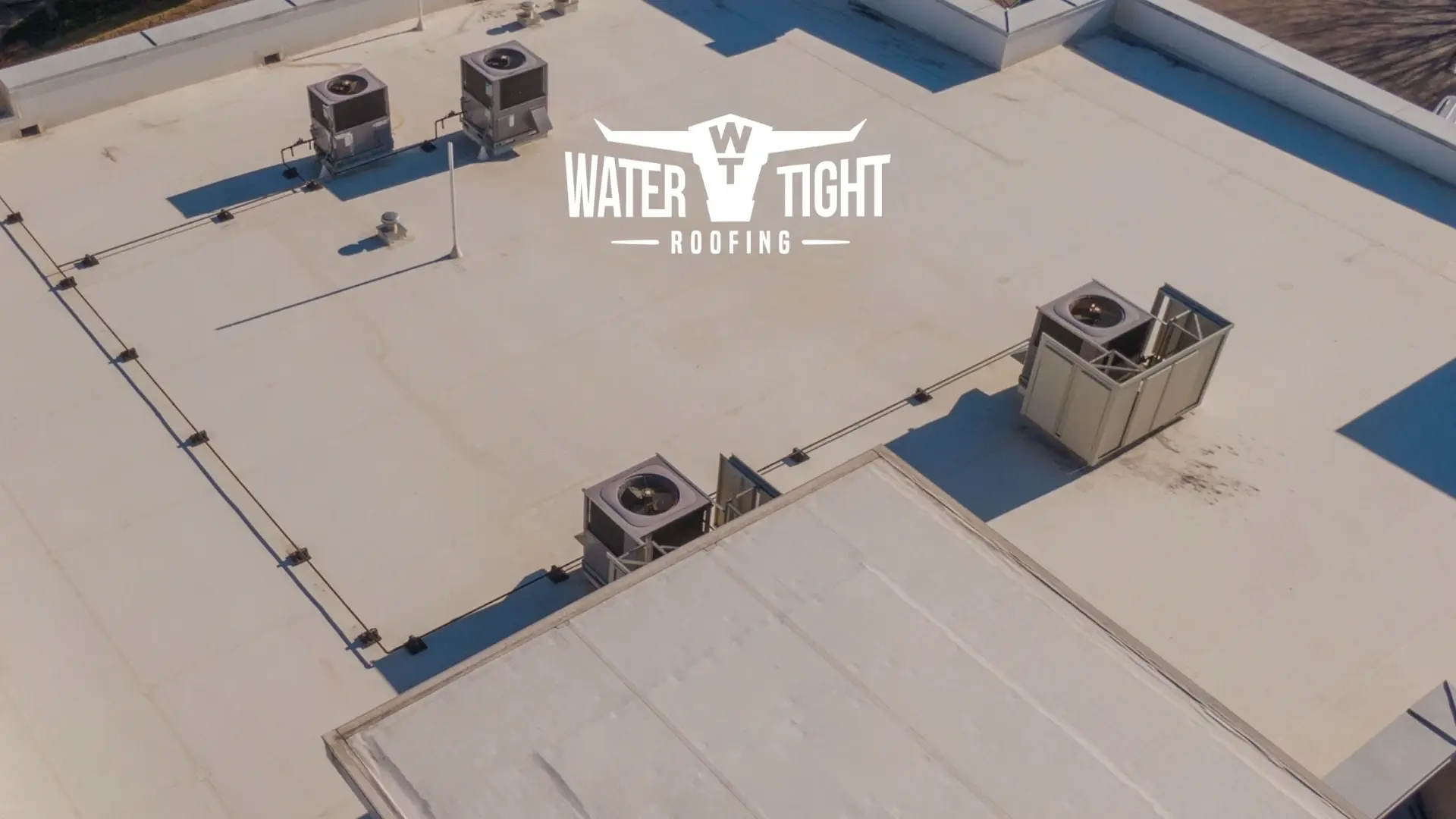
Most commercial roofs feature structural penetrations for mechanical systems, vents, and utilities. While necessary, these openings must be carefully sealed and regularly inspected to prevent leaks. The following should be assessed during quarterly inspections:
- HVAC units, exhaust fans, and equipment curbs
- Pipe boots, seals, and flashing around penetrations
- Electrical conduit and entry points for rooftop wiring
- Shifting, movement, or instability around equipment mounts
- Rust, corrosion, or deterioration on metal components
Because these points directly penetrate the roofing surface, even minor seal failures can create immediate pathways for water intrusion and potential interior damage.
Surface Debris and Roof Cleanliness
While it might seem minor, surface debris can have a big impact on the long-term health of a commercial roofing system. When debris accumulates, it can interfere with drainage, cause punctures, and result in premature wear. Facility managers should check for:
- Leaves, branches, and general surface debris
- Debris collecting in corners, around drains, and along seams
- Construction materials left behind after maintenance or repairs
- Algae, moss, or organic growth in shaded or low-drainage areas
When debris is left unchecked, moisture can get trapped against the roof surface, block drainage systems, and accelerate membrane deterioration.
Interior Warning Signs of Roof Failure
The interior of a commercial building can reveal roofing issues that aren't yet visible from the roof itself. By monitoring interior conditions, facility managers can identify potential problems early. During quarterly inspections, check for:
- Water staining on ceilings and walls
- Persistent musty odors
- Sagging, stained, or discolored ceiling tiles
- Elevated humidity levels, especially in upper floors or mechanical rooms
These issues are often indicative of roof leaks that may not be visible during a surface inspection. Catching them early can help prevent more extensive interior and structural damage.
Count On WaterTight Roofing to Keep Your Commercial Roof Protected
Quarterly roof inspections are one of the most effective ways to preserve the integrity of a commercial roofing system. By staying ahead of potential issues, facility managers can avoid costly repairs and ensure their buildings remain safe, efficient, and operational year-round. At WaterTight Roofing, we partner with facility managers to perform comprehensive commercial roof solutions designed that support long-term performance.
If your roof hasn't been inspected this quarter, it's time to schedule an appointment before minor issues become major problems. Contact WaterTight Roofing today to book a detailed commercial roof inspection.
Blog subscribers get new resources and how-to guides delivered via email.
Your Business Relies On Staying Dry