Summary Highlights:
- Freeze-thaw cycles can widen small cracks, loosen seams and fasteners, and weaken membranes and flashing over time.
- Heavy snow and ice can overload flat and low-slope roofs, leading to sagging decks, drainage failures, and premature material breakdown.
- Melting snow and blocked drains can cause pooling water and hidden leaks, often showing up later as interior stains, bubbling, or mold.
- Before spring, check surface condition, seams/flashing, drainage, and interior ceilings, and schedule a professional inspection to catch concealed damage early.
Unlike severe summer storms, which usually cause immediate and visible damage, the impact winter weather has on commercial roofing systems isn't always obvious. That's because the effects of cold weather tend to be gradual yet persistent, which means problems usually go unnoticed and only become apparent when the damage has become more widespread.
To avoid serious complications, commercial property owners and managers need to understand the impact winter weather can have on their roofing systems. Taking a proactive approach and scheduling a post-winter inspection before spring arrives will allow you to identify and correct minor issues early, before they become more extensive, reducing the risk of more expensive repairs, operational disruptions, and even unexpected roof replacements.
The Burden of Winter Weather on Commercial Roofing Systems
While commercial roofs are specifically designed to withstand environmental exposure, winter introduces a combination of unique challenges that can accelerate deterioration and expose vulnerabilities.
Freeze-Thaw Cycles
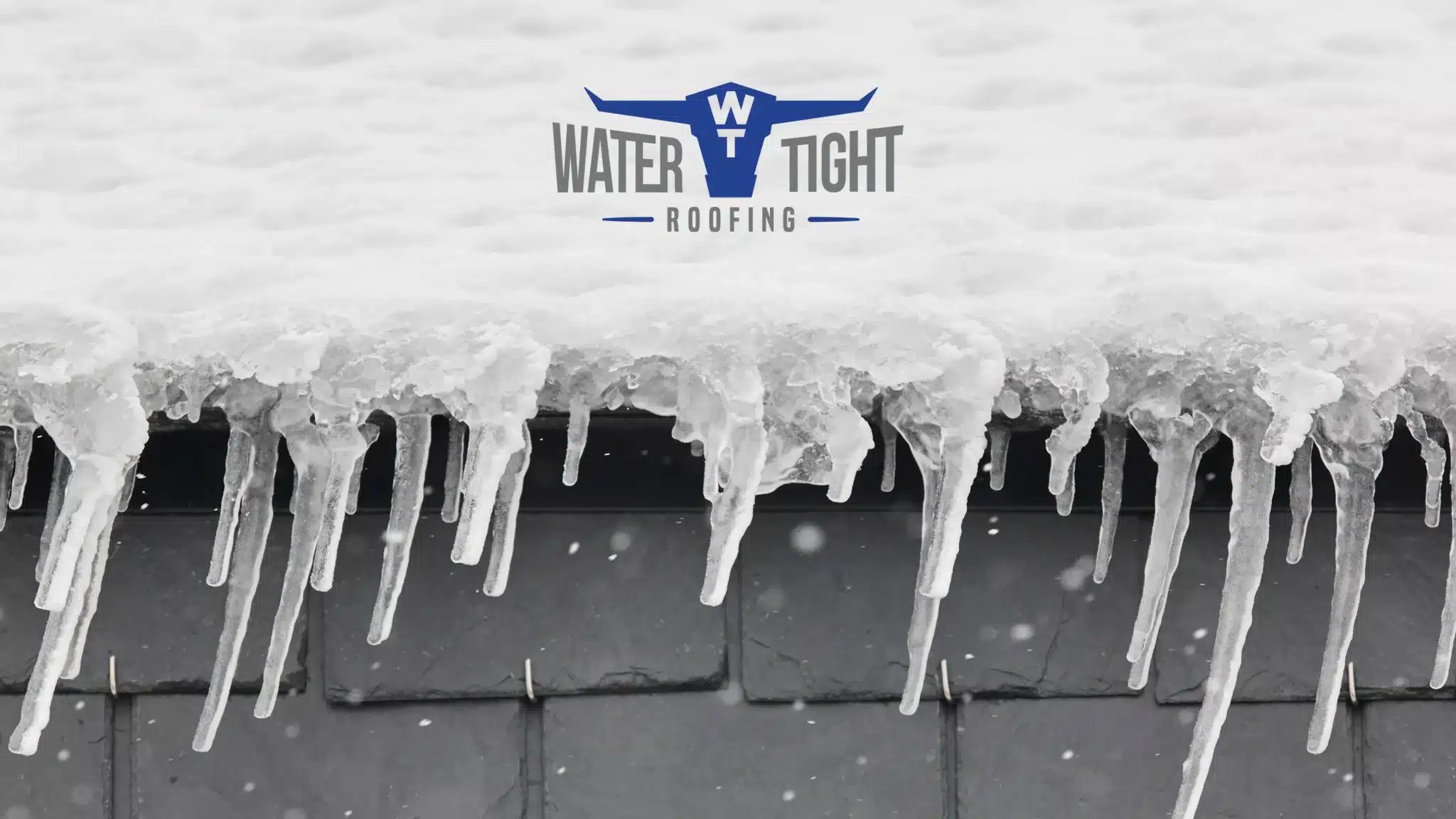
When temperatures fluctuate, any moisture trapped inside small cracks or seams can freeze and expand, then thaw and contract. This repeated cycle can put additional stress on roofing materials, causing a variety of problems over time, which can:
- Expand existing cracks
- Separate seams and loosen fasteners
- Weaken membranes and flashing
While the damage caused by freeze-thaw cycles may be minor at first, it can quickly lead to serious moisture intrusion.
Snow and Ice
Even the most durable commercial roofing systems have load limits. Heavy snow accumulations or ice buildup can place additional strain on structural components, exceeding the limits the roof was designed to hold. Flat and low-slope roofs are especially vulnerable to the added weight of snow and ice, as drainage is limited. Prolonged stress caused by this additional weight can lead to:
- Sagging roof decks
- Drainage system failures
- Premature material breakdown
Increased Moisture
Frozen drains, ice dams, and blocked outlets can trap water on the surface of a commercial roof. As temperatures rise and snow and ice melt, water can pool and get trapped on the surface of the roof, increasing the risk of leaks. These leaks often go undetected until interior signs become visible, at which point, the damage tends to be more severe and widespread.
Common Winter-Related Roof Issues to Watch For
When temperatures start to rise, the impact of winter weather on commercial roofing systems becomes obvious. As snow and ice melt and spring rains arrive, any damage that occurred during the winter season can turn into a serious problem. Knowing what to look for can help you mitigate risk.
Common winter-related roofing issues include:
- Cracked or split membranes caused by repeated expansion and contraction
- Loose or separated becomes on single-ply roofing systems, such as TPO
- Damaged flashing around penetrations, HVAC units, and roof edges
- Clogged or compromised drains and scuppers that prevent proper water flow
- Interior signs of leaks, such as stains, bubbling, and mold growth on ceilings and walls
If left unchecked, these issues will continue to worsen. A professional post-winter roof inspection will ensure minor problems are detected before they can cause more serious damage and operational disruptions.
What to Check on Your Commercial Roof Before Spring Arrives
Before spring gets into full swing, assessing your commercial roof for signs of winter damage is vital. Small issues that go unnoticed can quickly turn into severe problems once the rainy season arrives. Addressing any vulnerabilities early can help prevent leaks, interior damage, and emergency repairs. A detailed pre-spring roof inspection should include these critical areas:
- Surface Condition: Check for visible damage, such as cracks, punctures, blistering, or any other material degradation.
- Seams and Flashing: Make sure all seams are intact and secure. Flashing around penetrations and edges should be flush against surfaces, with no lifting, gaps, or visible signs of wear.
- Drainage: Inspect the drains, gutters, and scuppers. They should be free of debris and functioning properly so that water can efficiently flow off the roof.
- Interior Ceilings and Walls: Closely examine interior walls and ceilings for water stains, bubbling, and mold growth, as these issues are often related to roof damage. Musty odors and increased humidity are also cause for concern.
Why You Should Invest in a Professional Roof Inspection
Although visual checks can reveal obvious issues, winter-related roofing problems can be difficult to detect on your own, as they often develop beneath the surface. A trained and experienced professional will perform a detailed inspection, including:
- A thorough evaluation of concealed damage
- Clear documentation that supports repair planning and budgeting
- Expert recommendations based on the type, age, and overall condition of your commercial roofing system
At WaterTight Roofing, we perform thorough post-winter roof inspections. Our team of skilled professionals will examine every aspect of your commercial roof to identify any issues before they can impact your building.
Get Ahead of Spring Issues with WaterTight Roofing
When winter ends, the cold weather may be behind us, but its effects on your commercial roof can linger long into the spring and beyond. Identifying and addressing damage early helps extend the life of your roof, protecting your building and operations. Since 2011, WaterTight Roofing has been providing top-quality roof inspections, protecting commercial properties and their operations. Move into spring with confidence, knowing your roof is in the most capable hands. Call now to schedule a post-winter roof inspection.
Blog subscribers get new resources and how-to guides delivered via email.
Your Business Relies On Staying Dry