Summary Highlights:
- Frequent summer HVAC maintenance can create repeated foot traffic that gradually wears down commercial roofing membranes.
- Roof areas around HVAC units, access points, equipment pathways, and tool placement zones are especially vulnerable to punctures, stressed seams, and surface damage.
- Early warning signs include scuffed membranes, small tears, loose seams, pooling water, and visible wear around rooftop equipment.
- Walkway pads, designated access paths, routine roof inspections, and prompt repairs can help prevent leaks and extend the life of a commercial roof.
Summer weather doesn't just affect the occupants of your commercial building; it also puts serious strain on your HVAC system. During extended periods of excessive heat and humidity, HVAC systems are forced to work harder to maintain comfortable indoor temperatures. To keep cooling systems operating efficiently, routine maintenance is essential.
While service visits are vital, they can also unintentionally impact your commercial roof. Increased foot traffic around rooftop HVAC equipment can wear down roofing membranes, increasing the risk of leaks, premature deterioration, and costly repairs. Let's take a closer look at how constant summer HVAC maintenance can negatively affect your commercial roofing system, the signs of wear to watch for, and why addressing issues early can help extend the life of your roof.
How Constant Summer HVAC Maintenance Impacts Your Roof
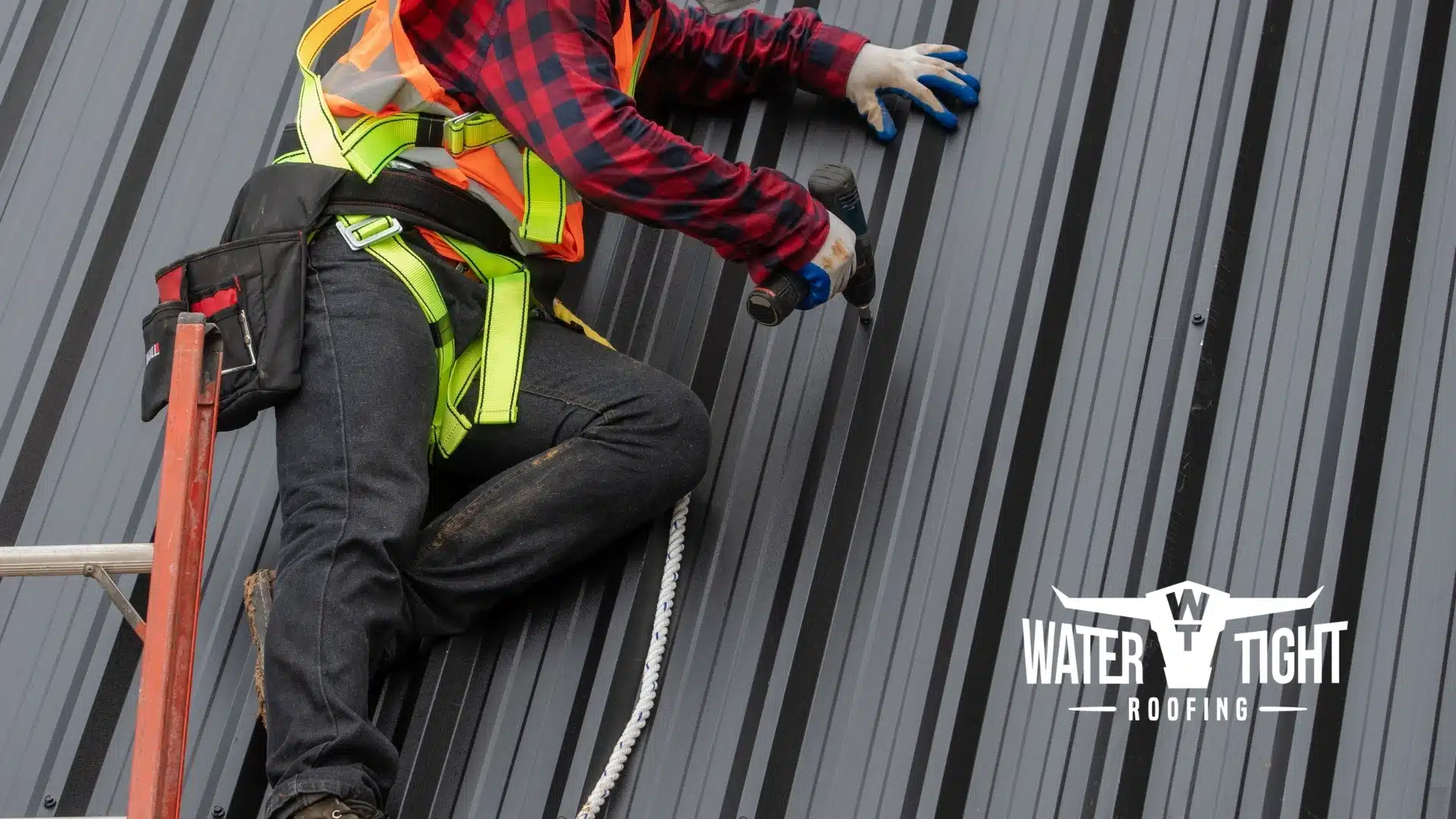
Routine HVAC maintenance is a vital part of managing a commercial property, especially during periods of extreme heat. During each service visit, technicians often follow the same paths as they access rooftop equipment.
Over time, repeated foot traffic can wear down roofing membranes. The added stress can weaken seams, degrade protective surfaces, and cause punctures. While it may not be immediately visible, this damage can increase the risk of water intrusion and the range of issues associated with leaks.
Where Damage is Most Likely to Occur
When HVAC technicians service rooftop equipment, they tend to follow the same routes during each visit. As a result, these areas receive significantly more foot traffic than others, making them more vulnerable to membrane deterioration.
Some of the most common high-traffic areas where damage is likely to occur include:
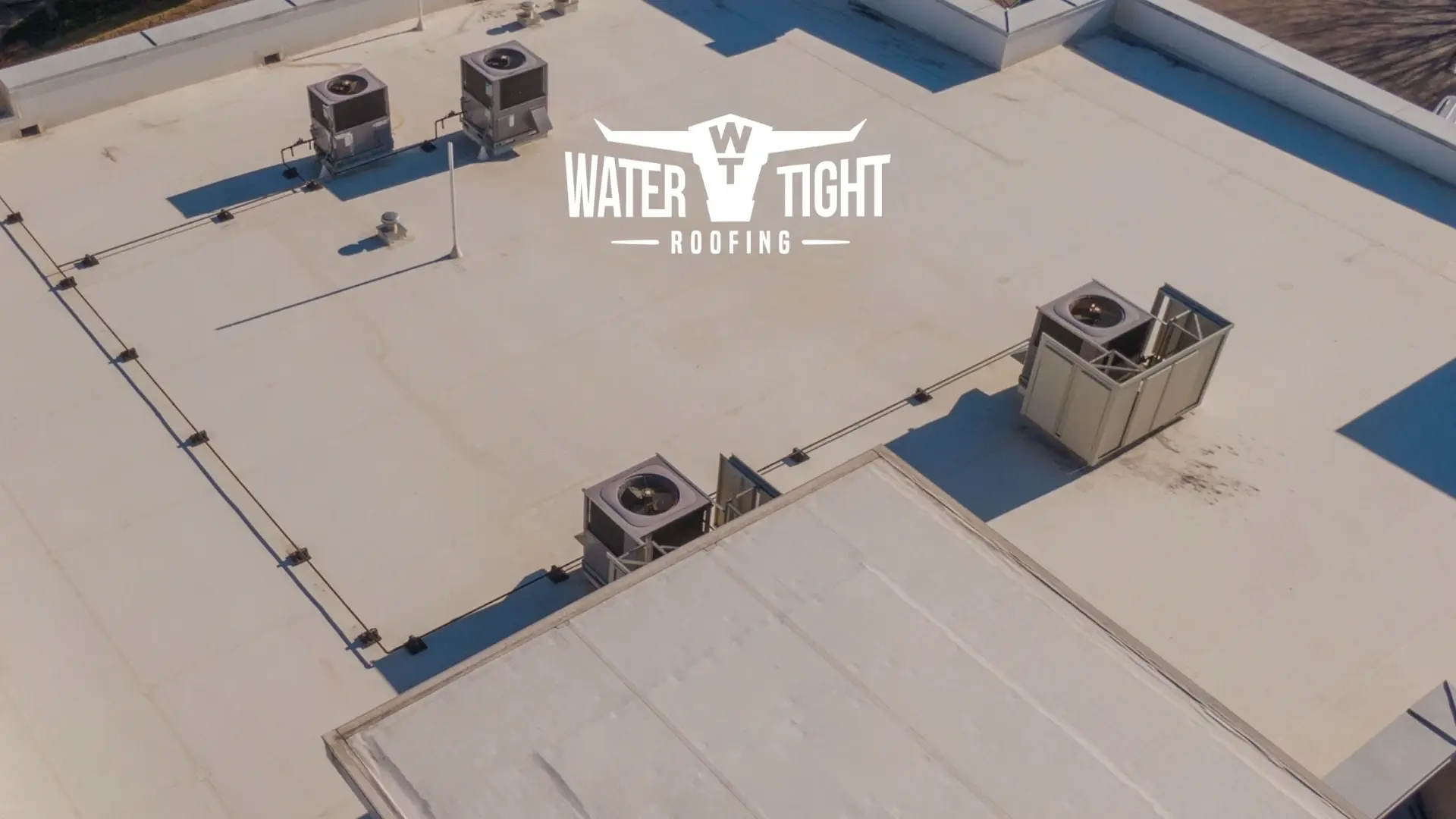
- Around HVAC units
- Roof access points
- Paths between rooftop equipment
- Areas where maintenance tools and equipment are placed
Regularly inspecting these areas can help identify membrane damage before it turns into a more serious roofing issue.
Early Signs of Membrane Damage
Damage caused by foot traffic tends to be gradual, and at first, the damage isn't always obvious. Regular roof inspections can help identify developing issues before they turn into serious leaks that require more extensive (and expensive) repairs.
Some of the most common signs of foot traffic damage include:
- Scuffed or worn membrane surfaces
- Punctures or small tears in roofing membranes
- Loose, lifted, or stressed seams
- Pooling water in high-traffic areas
- Visible wear around HVAC equipment, pathways, and roof access points
Identifying and addressing these issues early can help preserve the integrity of the roofing system and prevent the risk of moisture intrusion.
The Importance of Prompt Repairs
What may appear to be minor membrane wear can turn into a much bigger problem down the line if moisture ends up penetrating your roofing system. Over time, unresolved damage can lead to:
- Interior leaks
- Compromised insulation
- Reduced energy efficiency
- Mold or moisture-related issues
- More complex and costlier repairs
Promptly addressing issues can help limit the risk of widespread damage and reduce the need for more disruptive repairs in the future.
How to Reduce Wear on Your Commercial Roof
While regularly servicing your HVAC system is essential, especially during the summer months, there are things you can do to avoid the risk of roof damage associated with repeated foot traffic. By implementing the following measures, you can minimize wear while still ensuring technicians can safely and easily access rooftop HVAC equipment.
Some of the most effective preventive measures include:
- Installing walkway pads in high-traffic areas
- Encouraging technicians to use designated roof access paths
- Scheduling routine roof inspections during and after peak cooling season
- Evaluating roof conditions following the completion of any major HVAC work
- Repair minor membrane issues as soon as possible
Taking a proactive approach will help preserve the integrity of your commercial roof and reduce the risk of unexpected—and potentially serious—repairs.
Schedule a Roof Inspection Before Minor Issues Become Costly Repairs
During the summer months, frequent HVAC maintenance is an integral part of commercial building maintenance. Constant traffic on your rooftop, however, can damage roofing membranes and lead to numerous problems. By scheduling routine inspections, early signs of wear can be identified, reducing the likelihood of moisture penetration, extending the lifespan of your commercial roofing system, and limiting unnecessary repair costs.
At WaterTight Roofing, our comprehensive roof inspections are designed to pinpoint developing issues. Whether your commercial building experiences regular rooftop service or you want to establish a preventative maintenance plan, you can count on us to provide clear, practical recommendations based on the condition of your roof. Contact us today to schedule an inspection.
FAQs About Commercial Roofing Inspection
Blog subscribers get new resources and how-to guides delivered via email.
Your Business Relies On Staying Dry