The roof is arguably the most important part of your commercial building, as it serves as the first line of defense against the elements. But cold fronts can really put a commercial roof to the test, as a sudden temperature shift, accompanied by strong wind and heavy rainfall, can strain roofing materials — especially if it’s older or has existing damage — increasing the risk of leaks, further property damage, and costly repairs.
While commercial roofing systems are built to handle the elements, harsh weather can still cause wear and tear. To catch potential problems early and prepare your commercial property for changing weather patterns, routine inspections and preventative maintenance are essential. To find out how cold fronts can affect your commercial roof and what you can do to keep your building protected, keep reading.
How Strong Winds Affect Commercial Roofing Systems
Strong winds can put a lot of pressure on even the most durably constructed commercial roofing systems. The edges, corners, flashing, and seams are most susceptible to damage, but any part of the structure can be impacted. The powerful gusts of wind that are often associated with cold fronts can loosen roofing components, lift membrane edges, and blow debris onto the roof, resulting in punctures.
Common wind-related issues that can impact your commercial roof include:
- Loose membranes and seams: Strong wind gusts can compromise attachment points, creating openings where water penetration can occur.
- Damaged flashing: Flashing protects penetrations in the roofline, such as around vents and rooftop equipment, and is particularly vulnerable to high winds.
- Impact damage: Wind-blown debris can puncture membranes or damage metal panels.
Just because the damage isn’t immediately visible doesn’t mean it hasn’t sustained damage. After a cold front blows through, scheduling an inspection with a professional roofing company is the best way to detect problems so you can have them corrected.
The Effects of Heavy Rain
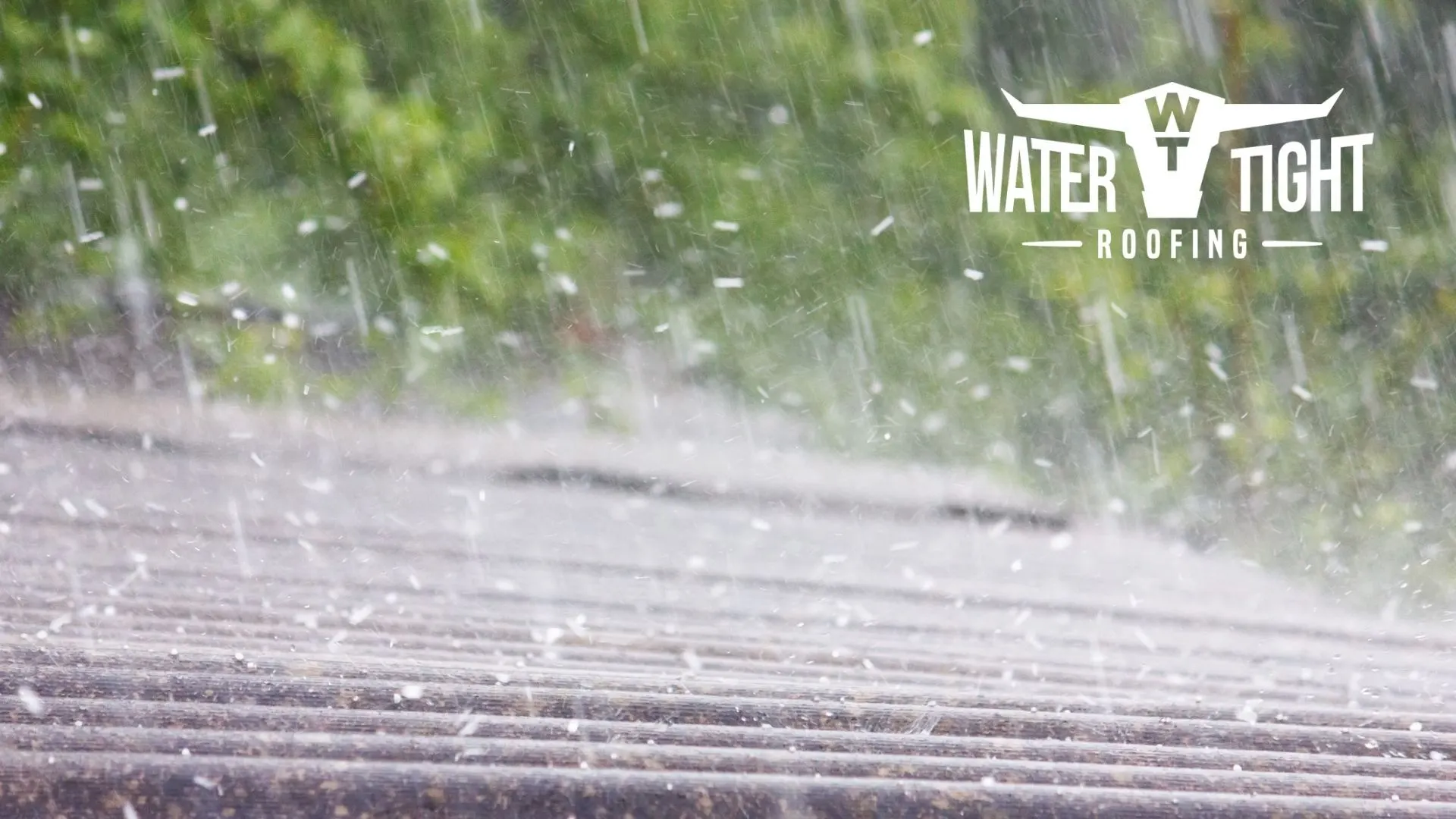
Cold fronts can bring heavy rains, which can quickly reveal underlying issues in your commercial roofing system. Flat and low-slope roofs, in particular, require effective drainage to prevent water from accumulating on the surface. If drains or scuppers are clogged, water can pool, while punctures, damaged seams, and loose flashing can lead to leaks.
Water intrusion can cause serious problems, putting insulation, equipment, inventory, furniture, and the entire interior of your commercial building at risk. Even if there aren’t any obvious leaks, there’s a chance that moisture could be accumulating underneath the roofing membrane. To prevent more extensive damage, having your roof inspected after a heavy rainstorm is essential.
Sudden Temperature Shifts Put Roofing Materials at Risk
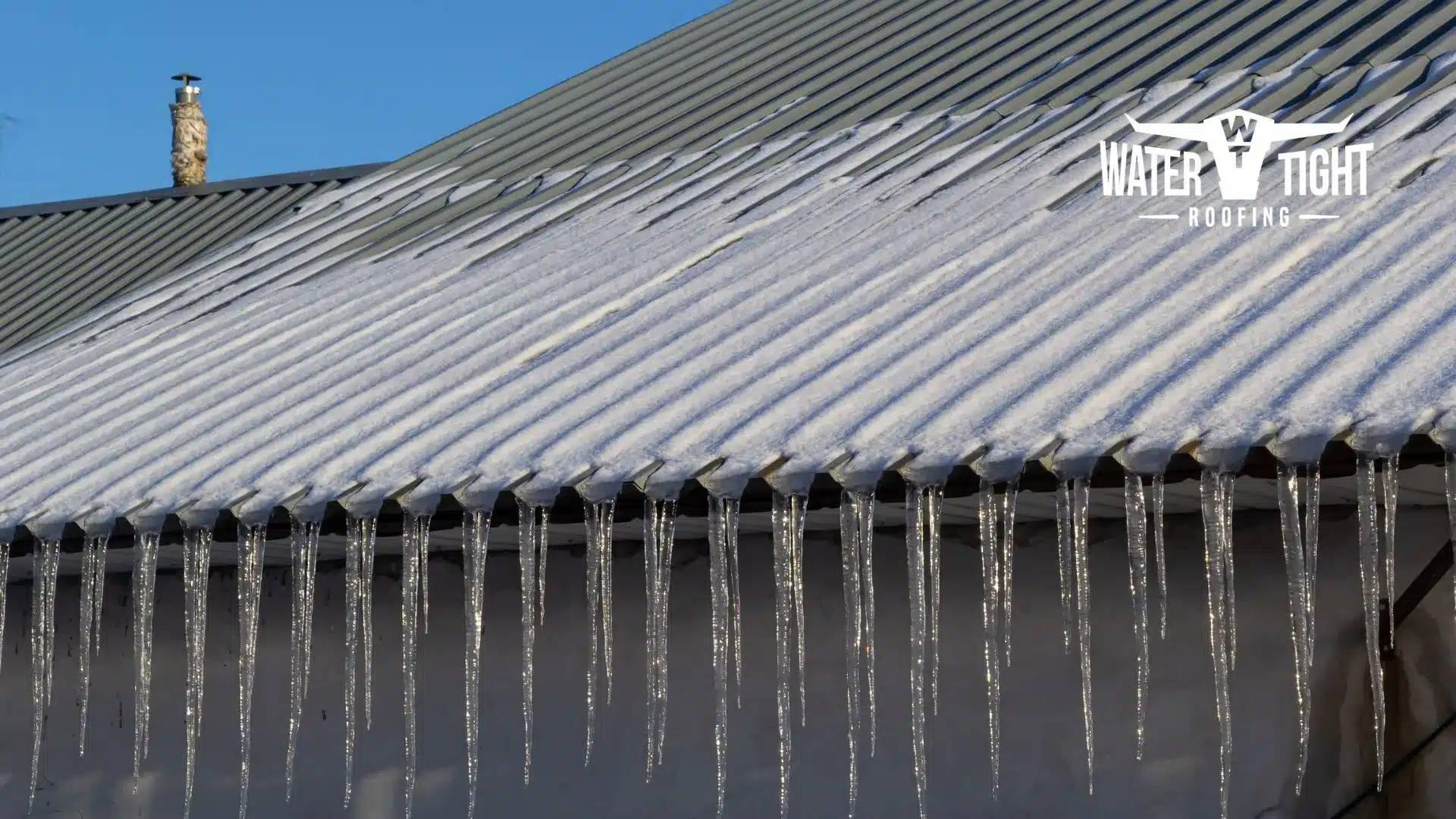
Sharp temperature swings can affect your commercial roofing system’s performance. Roofing materials are designed to expand and contract with the temperature. Over time, however, constant expansion and contraction can put tremendous stress on key components, such as fasteners, seams, flashing, and sealants. Older roofs are more prone to damage, but newer roofs aren’t immune.
Common issues that can occur as a result of a sudden dip in the temperature include:
- Deteriorating sealants: Temperature changes can increase deterioration in aging sealants, increasing the risk of leaks.
- Stressed connectors: Repeated expansion and contraction can weaken connection points, compromising the protective barrier of your roof.
- Reduced flexibility: In colder conditions, some types of roofing materials become less flexible, and worsen existing damage.
Addressing any issues in your roofing system before cold weather moves in can help reduce the risk of more serious damage and improve its overall performance.
Why Cold Fronts Can Compound Roof Damage
Wind, rain, and sudden temperature shifts can cause problems for commercial roofs on their own, but when these conditions occur together, they can be particularly damaging. For instance, powerful wind gusts as a cold front moves in can loosen flashing just before heavy rain arrives, allowing water to penetrate the roofing system. A sharp decrease in temperature can then put additional stress on materials that have already been compromised.
For commercial property owners, staying on top of roofing issues and addressing existing damage before severe weather rolls in can help prevent more extensive problems that require more expensive repairs.
How to Prepare Your Commercial Roof for a Cold Front
While you may not be able to control the weather, you can take steps to protect your commercial roof from wind, rain, and temperature shifts. With a little preparation, you can catch potential issues early and minimize the risk of unexpected damage.
- Schedule an inspection: A professional can uncover existing concerns so you can have them addressed before severe weather arrives.
- Clear drainage systems: To prevent water from pooling on your commercial roof, make sure all gutters, drains, and scuppers are cleared of debris.
- Complete necessary repairs: Addressing any issues that have been identified can reduce the risk of further damage.
Investing in preventative maintenance is the best way to protect your roof from weather-related problems. At WaterTight Roofing, we’re committed to helping commercial property owners keep their buildings protected with dependable roofing solutions.
Stay Ahead of Cold-Weather Roofing Problems with WaterTight Roofing
Cold fronts can put your commercial roofing system to the test. By addressing existing concerns early, you can avoid bigger, costlier problems down the road. WaterTight Roofing has been providing quality roofing solutions for commercial properties since 2011. To find out how we can prepare your roof for colder weather, contact us today.
Blog subscribers get new resources and how-to guides delivered via email.
Your Business Relies On Staying Dry